Daylight robberies
“What are people going to do? They are going to start robberies”
The subtitle is a quote from a story in The Australian describing Yallourn North in Victoria's Gippsland as the heartland of One Nation's recent surge in popularity, linking this to the forthcoming closure of the local coal-fired power station and a broader trend of regional neglect.
The article cited Jerrys Plains as the second of three voting booths in the country that had more votes for the local One Nation candidate than any other at the last election. Jerrys Plains is an irrigated farming district in the Hunter Valley. It is a tiny voting booth in the Federal electorate of Hunter: the number of people who cast their vote first for One Nation there in 2025 was thirty-seven.
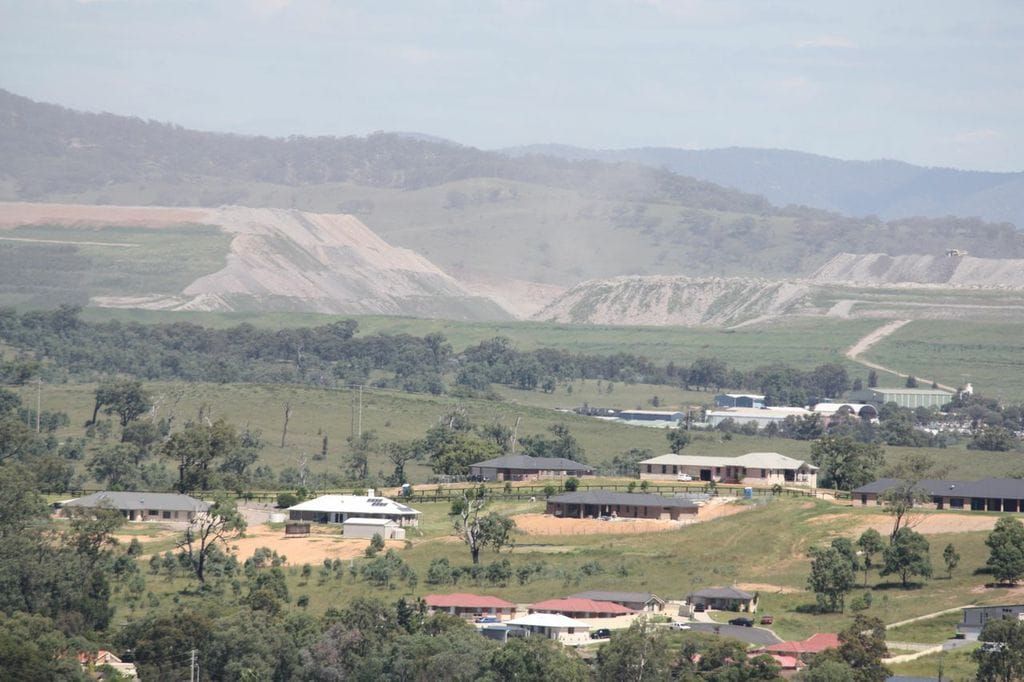
Jerrys is in the Muswellbrook local government area, where there's a lot of coal mining. Recently, I read the social impact assessment for an expansion application at the Mount Pleasant coal mine, which is right next to Muswellbrook township. Mount Pleasant is the mining site where a local environment group won a landmark victory in the NSW Court of Appeal last year which found that the impacts of climate change on the locality, including social and economic impacts, had to be considered when determining coal mining applications. Next month their legal team will be defending that win in the High Court of Australia in its first ever climate change case. The mining company lodged a fresh application for a six year extension of the mine because the Court of Appeal decision has thrown the future of mining at the site into uncertainty and its current planning approval otherwise says mining needs to cease at the end of this year.
If the local group wins in the High Court, and this newest application for an expansion is not approved, 500-odd people will be out of work on New Year's day next year.
The social impact assessment for the new application makes it clear what this means to a lot of people in Muswellbrook. They are afraid. They are afraid of losing the direct support the mine gives to health services and cultural and community activities. They are afraid that a wave of unemployment will worsen the town's already high suicide rate, that it will drive domestic violence, and that community services and police “won't be able to cope.”
Muswellbrook is the most disadvantaged local government area in the Hunter region. The mine assessment documents don’t discuss how this status jars with what the community might have reasonably expected to be the case after 25 years of expanding and profitable coal mining in the vicinity. After a quarter of a century of BHP’s Mount Arthur, Glencore’s Mangoola, New Hope’s Bengalla and now MACH’s Mount Pleasant coal mines together taking tens of millions of tonnes of coal a year from the ground while the coal price boomed and being granted every expansion approval they sought in the planning system, Muswellbrook has no maternity services at its hospital, acute housing stress and high rates of asthma. It remains in the lowest quartile in NSW for socio-economic disadvantage.
That disadvantage is concentrated. According to the Mount Pleasant assessment documents, Muswellbrook has a bigger proportion of people working in coal mining compared to other parts of the region. People who work for the mines on average earn 20% more than the next highest paid industry (information, media, and telecommunications), and 40% more than median earnings across sectors.
Poverty in Muswellbrook is concentrated among people not working in the mines. Organisations that provide services to people in need, as well as cultural and recreational programs, say they rely on community grants from coal mining companies to do their work. They describe a community that sees itself as wholly dependent for its quality of life on the coal mine on its doorstep, despite the social impacts of the noise, the air pollution, traffic jams, intergenerational inequality and climate change.
I have written before about governance being at the heart of transformative climate action. It is no coincidence that decisions to expand the coal mines in Muswellbrook in the last twenty years were made by state government representatives in Sydney, not the local council. Members of the community have lined up over and over again in a parade of pro- and anti-mining advocacy during performative consultation exercises, but there is no avenue of local accountability for the consequences of these planning decisions on people’s lives. There is a lot of support for mining in Muswellbrook, but people would have clean air, peaceful nights, sociable working hours, beautiful views and affordable housing if they can get them.
All the same, reading that assessment, I felt shame and agitation. What answer do environmentalists have to these pleadings? This fear of what will come if the mines suddenly close?
The social impact assessment presents a community resigned to the harms that mining brings (“that’s life”) because they think that what mining offers is worth it, or because they don't see any other options. In climate change advocacy, there is a taboo on talking about sacrifice, about what we might, as individuals and communities, be prepared to suffer together to create a more beautiful and just shared life. Contrarily, the story of industrial modernity has always thrived on sacrifice talk. The commitment to coal mining in the Hunter still does that: locals sacrifice health, normal work hours and whole landscapes because the mining industry demand it.
Another coal mine expansion approval by the state government means local charities keep hold of their lifeline for a while, but it won't make life in Muswellbrook fair or secure because the mining companies serve other masters. They won't keep the mines open beyond the point they are profitable for shareholders. Relying on these companies for community wellbeing means always being at risk of losing it.
The Mayor of Muswellbrook is former coal miner Jeff Drayton. He has been advocating for expansion of the Net Zero Economy Authority’s mandate to include coal miners working in mines supplying the export market. They are currently excluded, which means the closure of two large coal mines in Muswellbrook in 2030 is not within the authority’s purview. Mount Arthur and Mangoola coal mines together employ 2,400 people – three times the number of people working at Bayswater and Eraring power stations. People are rightly afraid of the effects of so many being put out of work at once, but in truth there is no lack of jobs in the Hunter. It is telling that the social impact assessment for the Mount Pleasant expansion does not discuss the Hunter’s critical workforce shortage in care work, specifically aged, disability and child care. Is it also taboo to suggest that coal miners could work in care?
A friend of mine, Hayley Sestokas, grew up in Yallourn North and does a lot of community engagement there. Hayley cautioned me against uncritically accepting the story being told by The Australian. She said there are a lot of people in the town feeling hopeful and looking forward to “a brighter future where their homes are not filled with coal dust and their kids at the doctors every other week.” She also relayed to me an observation from a leader in health advocacy in Gippsland contrasting the considerable investment and encouragement given to young women to move into STEM fields and the lack of such support and encouragement for young men to work in care.
The war in Iran is illuminating the deadly heavy chains of global oil dependence. It becomes clearer that bringing down greenhouse gas emissions really means radical change. Climate change will be radical too, so our choices as advocates now are about what we hold onto, what we let go of and what we create. It is no different here at home. Climate advocates must attend to the deep and complex ways regional communities and our society overall depend on coal. We must not treat climate policy as separate from social values, fairness, nature and cultural meaning. Too often, the question is approached in numbers: tonnes of emissions, rates of employment, dollars in tax coffers but this offers nothing to the people in Muswellbrook for whom the mines mean so much more than this.
You can hear Hayley Sestokas talk about Yallourn North and regional organising on Episode 7 of Series 4 of the Commons Conversations podcast and you can also hear her dad talking about the town of Yallourn that was destroyed altogether for coal mining.